

Portable Wheelchair Ramps
Add a reviewOverview
-
Posted Jobs 0
-
Viewed 10
Company Description
Wheelchair Ramps For Mobile Homes Tools To Ease Your Daily Lifethe One Wheelchair Ramps For Mobile Homes Trick That Everybody Should Learn
Wheelchair Ramps for Mobile Homes: Accessibility Solutions for All
As society advances towards higher addition, availability in all elements of life has become critical, particularly for people who need mobility assistance. Mobile homes, frequently lauded for their affordability and versatility, can sometimes provide difficulties for wheelchair users. Wheelchair ramps can provide an essential service, guaranteeing that everybody has equal access to their living spaces. This article will look into the value of wheelchair ramps for mobile homes, the numerous types readily available, and factors to consider for setup.
Tabulation
- Value of Wheelchair Ramps
- Types of Wheelchair Ramps for Mobile Homes
- 2.1 Portable Ramps
- 2.2 Semi-Permanent Ramps
- 2.3 Permanent Ramps
- Material Considerations
- Installation Guidelines
- Upkeep Tips
- Frequently Asked Questions (FAQs)
- Conclusion
1. Value of Wheelchair Ramps
Wheelchair ramps are necessary for individuals with minimal mobility for numerous reasons:
Independence: Ramps offer people with the capability to go into and exit their homes without requiring help, fostering autonomy.
Safety: The lack of a ramp can result in accidents and injuries, particularly for those with mobility devices. Ramps minimize these risks by supplying a steady, steady slope.
Inclusive Living: As more people pick mobile homes for their affordability and mobility, ensuring that these homes are accessible is essential for developing inclusive neighborhoods.
2. Types of Wheelchair Ramps for Mobile Homes
When selecting a ramp for a mobile home, numerous alternatives are created to fulfill specific needs and choices.
| Ramp Type | Description | Pros | Cons |
|---|---|---|---|
| Portable Ramps | Lightweight, easy to transport and set up. Typically made from aluminum or fiberglass. | Versatile and convenient for temporary usage. | May not be resilient for long-term use. |
| Semi-Permanent Ramps | Fixed in place however can be gotten rid of if necessary. Normally more stable than portable ramps. | Offers a balance in between versatility and stability. | Some assembly needed; may require licenses. |
| Permanent Ramps | Constructed straight into the home structure, typically created to satisfy local structure codes. | Extremely durable and tailored to specific needs. | More pricey and often needs expert installation. |
2.1 Portable Ramps
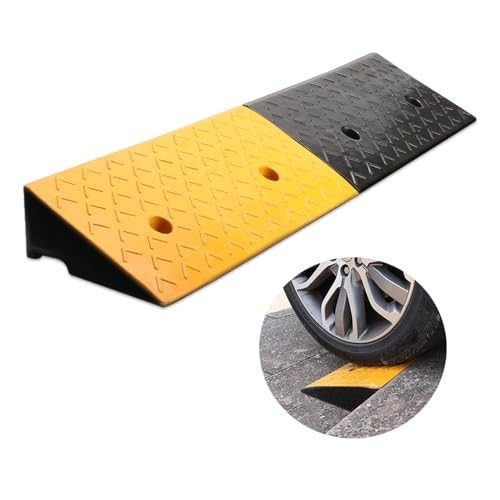
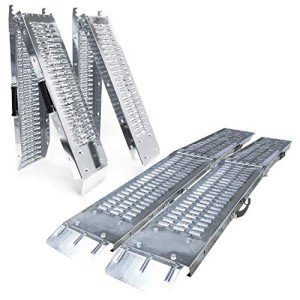
Portable ramps are especially appropriate for those who may require mobility aids periodically. They can be rapidly established and eliminated, making them perfect for temporary availability services.
2.2 Semi-Permanent Ramps
For individuals looking for a service that balances flexibility and stability, semi-permanent ramps are an exceptional choice. They offer the benefit of being semi-fixed while still permitting for elimination if scenarios alter.
2.3 Permanent Ramps
Irreversible ramps are best fit for long-lasting citizens who need constant availability. These ramps can be custom-built to fit the specific layout of a mobile home, guaranteeing maximum functionality and visual appeal.
3. Product Considerations
The material of the ramp significantly impacts its toughness, maintenance needs, and aesthetic compatibility with the mobile home.
- Aluminum: Lightweight and rust-free, making it a perfect option for portable ramps.
- Wood: Offers a conventional look and is great for permanent ramps but needs regular maintenance to prevent rot and splinters.
- Fiberglass: Strong and lightweight, resistant to weather and UV rays, making it ideal for various climates.
4. Installation Guidelines
Installing a wheelchair ramp requires mindful planning and execution. Here are some essential steps:
- Assess the Area: Measure the height from the ground to the entranceway to identify the ramp’s length.
- Examine Local Regulations: Many places have particular codes concerning ramp setup, including slope and product considerations.
- Pick a Design: Based on the meant use and space, select the ramp type and material.
- Collect Tools: Ensure all needed tools and products are prepared before beginning.
- Installation: If you are not comfy with DIY installations, think about hiring an expert.
5. Upkeep Tips
Maintaining a wheelchair ramp makes sure safety and durability. Here are some practical maintenance ideas:
- Regular Inspection: Check for any loose bolts, signs of wear, or damages a minimum of biannually.
- Tidy: Keep the surface area tidy from particles, specifically in locations that may collect rain or snow.
- Weather-proofing: If using wood, use sealant or paint to safeguard against moisture damage.
- Look for Slippage: Regularly check the surface for needed traction enhancements, especially during wet or icy conditions.
6. Often Asked Questions (FAQs)
Q1: What is the ideal slope for a wheelchair ramp?
A1: The Americans with Disabilities Act (ADA) suggests a slope ratio of 1:12, indicating for every single inch of rise, there must be at least 12 inches of ramp run.
Q2: Can I install a ramp myself?
A2: DIY installation is possible for portable ramps, but permanent and semi-permanent ramps may need expert help to guarantee they satisfy security standards.
Q3: How large should a wheelchair ramp be?
A3: A minimum width of 36 inches is recommended to accommodate most wheelchairs and mobility gadgets easily.
Q4: Do I require an authorization to set up a ramp?
A4: Many regions need a permit for long-term ramp installations. It is necessary to talk to regional policies before beginning the procedure.
7. Conclusion
Wheelchair ramps are not simply devices; they are vital features of mobile homes that help with availability and self-reliance for individuals with limited mobility. By picking the best type of ramp, materials, and setup techniques, anyone can enhance their living area’s safety and ease of access. With continuous advancements in style and safety requirements, the journey toward inclusive living environments continues to move forward, allowing everyone to delight in life with dignity and self-reliance.