

Fake Dollar Bills
Add a reviewOverview
-
Posted Jobs 0
-
Viewed 13
Company Description
How To Create An Awesome Instagram Video About Order Counterfeit Money
Understanding the Dark World of Counterfeit Money
Counterfeit money has actually been a social problem for centuries, with illegal operations looking for to duplicate currency for profit and causing a myriad of economic consequences. As advanced innovation has emerged, so too have the approaches used to produce fake bills. This post aims to look into the world of counterfeit money, exploring its implications, how it is produced, and how people and services can recognize and fight this issue.
What is Counterfeit Money?
Counterfeit money is any currency that is made to mimic genuine currency but is produced without legal authority. These fake bills are developed to look and feel like genuine currency to deceive the public and businesses. Counterfeiting is a criminal activity that affects not simply the economy however also rely on financial systems.
Table 1: The Basics of Counterfeit Money
| Element | Description |
|---|---|
| Definition | Replica of legal tender without authorization |
| Origin | Can originate from organized criminal activity or private efforts |
| Effects | Financial losses, increased prices, lessened trust |
| Legal Status | Considered a federal criminal activity in the majority of nations |
The Creation of Counterfeit Bills
Techniques of Counterfeiting
Counterfeiters use different methods to produce fake money. Below are some typical techniques:
Printing Techniques:
- Old-school printers utilizing a basic inkjet or laser are still in use, though significantly unsophisticated.
- Digital printing has actually become advanced, enabling counterfeiters to produce high-quality reproductions.
Paper Quality:
- Counterfeiters try to reproduce the paper utilized in real currency, though it often fails quality tests.
Security Features:
- Successful counterfeits may simulate some functions like watermarks or color-shifting inks, but usually lack the full spectrum of security aspects present in authentic notes.
Table 2: Counterfeiting Techniques
| Technique | Description |
|---|---|
| Digital Printing | Uses sophisticated printers for high-quality fakes |
| Chemical Alteration | Manipulates genuine notes to change their worth |
| Traditional Printing | Uses old approaches, less commonly successful |
| Paper Mimicking | Efforts to reproduce currency paper; typically fails |
Effects on the Economy
The implications of counterfeit currency can be substantial, impacting people, organizations, and the larger economic framework.
Economic Implications
Inflation:
- Increased counterfeit money in blood circulation can result in inflation as the actual worth of currency reduces.
Trust Erosion:
- If counterfeit bills become extensive, individuals may lose self-confidence in the financial system.
Increased Costs for Businesses:
- Businesses might sustain losses as they find counterfeit money, which can likewise result in higher costs for consumers.
Table 3: Economic Effects of Counterfeiting
| Effect | Description |
|---|---|
| Inflation | Increased product prices due to cheapened currency |
| Lost Revenue | Companies lose money when accepting fakes |
| Job Losses | Industries may diminish as economic conditions get worse |
Preventing Counterfeiting
Comprehending and recognizing counterfeit currency can help people and companies avoid succumbing to it. Here are some essential tips and practices:
Tips for Recognizing Counterfeit Money
Feel the Texture: Genuine notes have a distinct texture. Counterfeit bills may feel too smooth or too stiff.
Examine the Security Features: Studies reveal that those who recognize security functions are less most likely to accept counterfeit money.
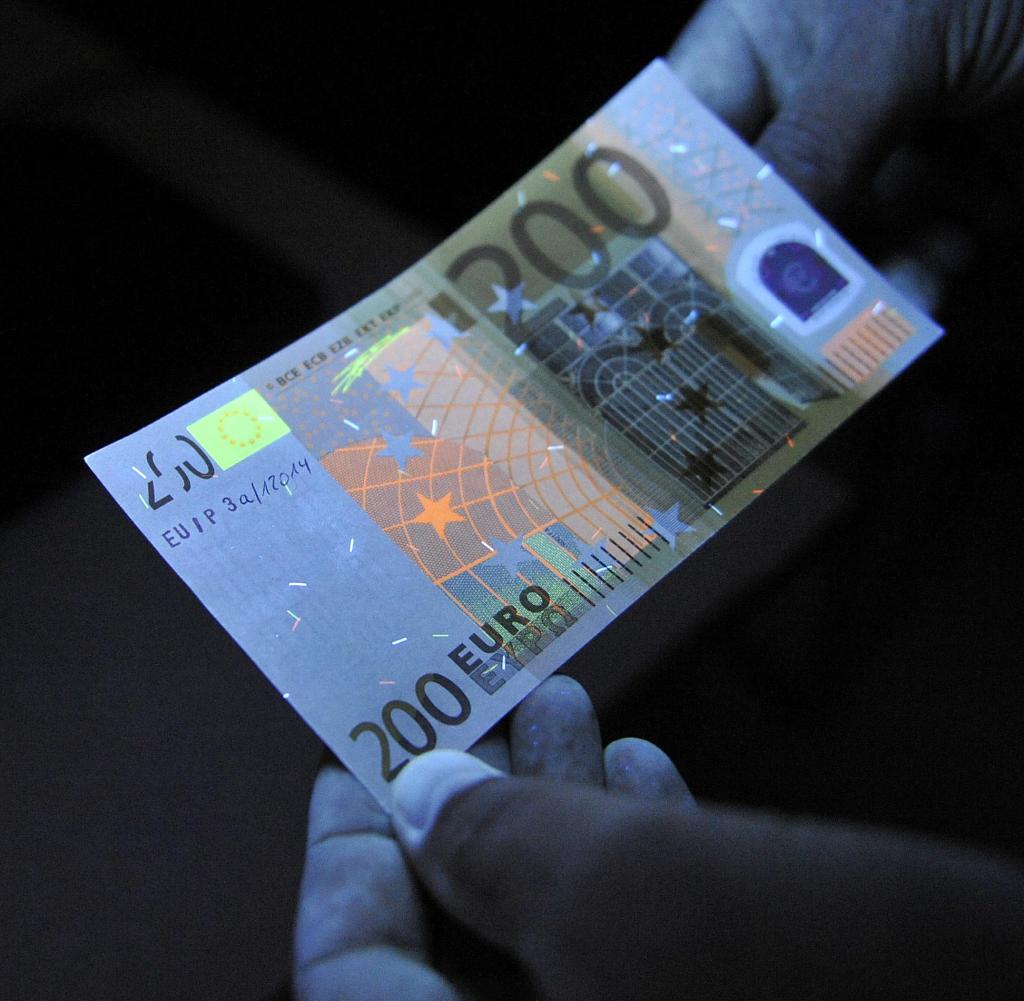
Utilize a Blacklight: Many currencies have actually embedded security functions that are just visible under UV light.
Look for Watermarks: Genuine currency usually has a visible watermark that is tough to replicate.
Table 4: Detecting Counterfeit Money
| Detection Method | Information |
|---|---|
| Texture Examination | Feel for authentic currency texture |
| Security Features Check | Try to find holograms, threads, and microprinting |
| UV Light Test | Usage UV light to identify concealed functions |
| Watermark Visibility | Examine for a visible watermark against the light |
Frequently Asked Questions About Counterfeit Money
Q1: Is it illegal to have counterfeit money?
A1: Yes, having counterfeit money is prohibited and can result in serious charges, including fines and imprisonment.
Q2: How can I report counterfeit money?
A2: If you come across counterfeit currency, you should report it to your regional police or the U.S. Secret Service.
Q3: What should I do if I receive a counterfeit bill?
A3: If you get a counterfeit expense, avoid passing it on. Turn it over to police, in addition to information of the transaction.
Q4: Does counterfeit money affect everyone?
A4: Yes, counterfeit money impacts everyone indirectly through inflation and lost confidence in the currency by making transactions riskier.
In Conclusion
Counterfeit money represents not just a criminal act but an ongoing difficulty to individuals and economies worldwide. Comprehending its ramifications, acknowledging the signs of counterfeit bills, and taking proactive procedures can empower residents to protect themselves and add to a much healthier economy. As innovation advances, so too should our approaches to get rid of counterfeit dangers, highlighting the value of vigilance and education in fighting this problem.
With this details, stakeholders from customers to services can comprehend the complexities of counterfeit money and add to lessening its effect in the economy.