

Best Mobility Scooters
Add a reviewOverview
-
Posted Jobs 0
-
Viewed 55
Company Description
The Best Way To Explain Disability Scooter To Your Boss
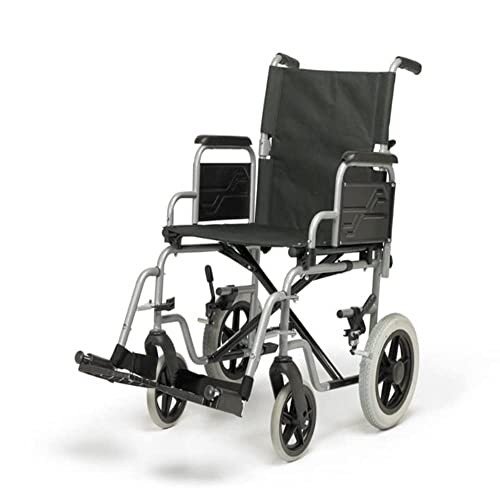
The Comprehensive Guide to Disability Scooters
Disability scooters, typically described as mobility scooters, have actually revolutionized the method people with mobility difficulties navigate their environments. With technological improvements and a growing understanding of varied mobility requirements, these scooters have ended up being essential for boosting self-reliance, mymobilityscooters mobility, and quality of life. This post aims to provide an informative introduction of disability scooters, including their types, functions, advantages, and an extensive FAQ section.
Comprehending Disability Scooters
Disability scooters are electric lorries developed specifically for those who may have difficulty walking or representing extended durations. They are often used by the senior, individuals recovering from surgical treatment, or individuals with impairments. The general goal of these scooters is to empower users by supplying a method to travel short to moderate ranges with ease and comfort.
Kinds Of Disability Scooters
Disability scooters can be found in different shapes and sizes, dealing with various requirements and choices. Below is a table summing up the primary types of disability scooters:
| Type | Description | Best For |
|---|---|---|
| 3-Wheel Scooters | Typically more maneuverable, perfect for indoor usage | Narrow spaces and shopping trips |
| 4-Wheel Scooters | Offers much better stability and supports much heavier weight | Outdoor use and longer ranges |
| Portable or Travel Scooters | Lightweight, collapsible designs that are simple to transfer | People who take a trip frequently |
| Sturdy Scooters | Generally support higher weight capacities and offer more robust functions | Users with overweight or bigger body types |
| All-Terrain Scooters | Equipped with rugged tires and suspension systems for outdoor expedition | Users who need to pass through rough surfaces |
Crucial Features to Consider
When selecting a disability scooter, different functions can impact comfort, convenience, and usability. Below is a list of essential functions to evaluate:
- Weight Capacity: Ensure the scooter can support the user’s weight.
- Battery Life: Longer battery life enables extended use without needing frequent charging.
- Speed Options: Some scooters use variable speeds to deal with user comfort.
- Adjustable Seats: Seats that can be adjusted for height and armrests provide added comfort.
- Storage Capacity: Look for scooters with baskets or compartments for carrying individual possessions.
- Warranty and Support: An excellent warranty and consumer support are crucial for long-lasting usage.
Advantages of Using Disability Scooters
Using a disability scooter offers numerous advantages, therefore improving the user’s quality of life. Some noteworthy benefits consist of:
- Increased Independence: Users can navigate their environments without depending on others.
- Enhanced Mobility: Allows for taking a trip longer distances with ease and convenience.
- Improved Convenience: Useful for shopping, participating in events, and accessing numerous areas.
- Social Opportunities: Encourages interaction with peers and minimizes feelings of seclusion.
- Lowered Fatigue: Minimizes physical exertion associated to strolling or standing for long durations.
Buying a Disability Scooter: What to Consider
When buying a disability scooter, it is necessary to consider several elements to guarantee the best fit. This can be summed up in the following checklist:
- Assess Mobility Needs: Identify the primary function of the scooter and the usual environments it will be utilized in.
- Size and Storage: Consider where the scooter will be stored when not in use. It needs to fit easily in your living space.
- Test Drive: If possible, test numerous models to discover one that feels comfortable and user-friendly to run.
- Check Local Regulations: Understand any local policies relating to mobility scooter use in public areas.
- Consider Financial Assistance: Research potential financial support choices, such as insurance coverage or grants, that may help cover expenses.
FAQ Section
1. Who is eligible to use a disability scooter?
Individuals with mobility limitations, no matter age, may take advantage of using a disability scooter. This includes seniors, those with persistent conditions, and people recovering from surgical treatment.
2. Do I need a prescription to buy a disability scooter?
Most of the times, a prescription is not needed to purchase a mobility scooter. Nevertheless, a healthcare specialist’s suggestion may supply assistance on the most suitable design for your needs.
3. Can I drive a disability scooter on public streets?
Making use of mobility scooters on public streets differs by location. In basic, scooters are enabled on sidewalks and pedestrian pathways however might have limitations on roadway usage. Constantly check local policies.
4. For how long does the battery last on a mobility scooter?
Average battery life can vary from 10 to 45 miles, depending on the model, terrain, and user weight. Regular upkeep, like charging after each usage, can assist maximize battery life.
5. What maintenance do mobility scooters need?
Routine upkeep includes checking tire pressure, battery health, and general mechanical parts. It’s a good idea to follow the maker’s recommendations for care.
Disability scooters present significant advantages for people dealing with mobility difficulties. They act as effective tools that promote independence, foster social engagement, and improve general lifestyle. By understanding the types, functions, and benefits of these scooters, people can make educated decisions concerning their mobility needs. With the right scooter, a world of flexibility, experience, and opportunity awaits, making sure that mobility restrictions do not impede one’s ability to explore life to its max.