

Hob
Add a reviewOverview
-
Posted Jobs 0
-
Viewed 9
Company Description
Nine Things That Your Parent Taught You About Hobs And Ovens
Understanding Hobs and Ovens: A Comprehensive Guide for Cooking Enthusiasts
The kitchen is frequently considered as the heart of the home, where culinary creations come to life. 2 essential elements of any kitchen are the hob and the oven. While they are both crucial for cooking and cooking, lots of house owners might not completely comprehend the differences, functionalities, and different types available in the market today. In this post, we will explore these home appliances in detail, assisting you make notified decisions for your cooking needs.
Tabulation
- What is a Hob?
- 1.1 Types of Hobs
- 1.2 Benefits of Different Hob Types
- What is an Oven?
- 2.1 Types of Ovens
- 2.2 Benefits of Different Oven Types
- Picking the Right Hob and Oven for Your Kitchen
- Often Asked Questions (FAQs)
- Conclusion
What is a Hob?
A hob, frequently called a cooktop, is a cooking surface that you position pots and pans on to prepare food. It includes a variety of heating aspects and is often installed on countertops. In modern-day cooking areas, hobs can be found in various styles, innovations, and functionalities.
1.1 Types of Hobs
There are numerous types of hobs offered in the market:
| Type | Description |
|---|---|
| Gas Hob | Utilizes burner for cooking, using precise temperature control. |
| Electric Hob | Runs using electrical heating components, typically seen in solid or radiant forms. |
| Induction Hob | Utilizes magnetic fields to heat pots and pans directly, promoting energy effectiveness. |
| Ceramic Hob | Features a smooth glass top, using electric coils below the surface. |
| Strong Plate Hob | Standard electric hobs with exposed metal plates that heat up. |
1.2 Benefits of Different Hob Types
Gas Hobs:
- Quick cooling and heating.
- Visual flame control for precise cooking.
Electric Hobs:
- Even heating; ideal for simmering and boiling.
- Easy to clean, especially flat surface areas.
Induction Hobs:
- Energy-efficient as only the pot heats up.
- Safety functions, such as automated shut-off.
Ceramic Hobs:
- Attractive aesthetic appeals with a smooth surface.
- Even surfaces for easy cleaning.
Solid Plate Hobs:
- Cost-effective and long lasting.
- Great for fundamental cooking needs.
What is an Oven?
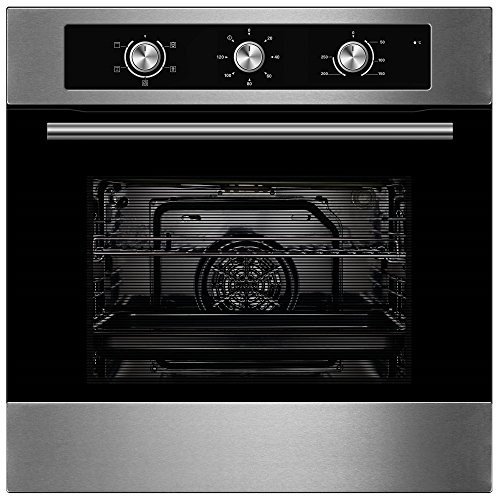
An oven is a kitchen appliance utilized for baking, roasting, and broiling food. Ovens can be standalone systems or built into kitchen cabinets, offering different cooking techniques that can improve or change ingredients.
2.1 Types of Ovens
Comparable to hobs, there are multiple kinds of ovens, each with its benefits:
| Type | Description |
|---|---|
| Traditional Oven | Operates with heating aspects, perfect for baking. |
| Stove | Utilizes fans to distribute hot air, cooking food equally and quickly. |
| Microwave | Cooks food utilizing electro-magnetic radiation; perfect for reheating. |
| Steam Oven | Makes use of steam to cook food, protecting moisture and nutrients. |
| Wall Oven | Built into the wall, using benefit and aesthetic appeal. |
2.2 Benefits of Different Oven Types
Conventional Ovens:
- Simple to use without any complex settings.
- Versatile for various cooking techniques.
Convection Ovens:
- Faster cooking times due to air circulation.
- Improved browning and crisping for baked products.
Microwave Ovens:
- Quick cooking or reheating of food.
- Energy-efficient for low-volume cooking.
Steam Ovens:
- Health-conscious cooking that retains nutrients.
- Excellent for baking bread and cooking veggies.
Wall Ovens:

- Convenient placement; saves space.
- Less flexing required to access cooking meals.
Picking the Right Hob and Oven for Your Kitchen
When picking a hob and oven, aspects such as area, cooking style, and personal choices need to be thought about. Here’s a basic guide to help you choose:
Factors to Consider
- Cooking Needs: Evaluate your cooking practices. Do you often bake, or is stovetop cooking more widespread?
- Space Availability: Measure your readily available kitchen area. Some hobs or ovens may require more room than others.
- Fuel Type: Decide in between gas and electric, based upon schedule and personal choices.
- Budget plan: Determine what you’re prepared to spend and discover options within that range.
Quick Tips
- Focus on Efficiency: Look for energy-efficient designs to reduce long-lasting costs.
- Check out Reviews: Explore user evaluations to collect opinions on efficiency and dependability.
- Seek advice from Professionals: Seek advice from kitchen design specialists when planning your layout.
Frequently Asked Questions (FAQs)
1. What is the distinction between a hob and an oven?
A hob is a cooking surface area typically for stovetop cooking, while an oven is an enclosed space utilized for baking, roasting, and broiling food.
2. Can I use any pot on an induction hob?
No, induction hobs need magnetic pots and pans. Stainless steel and cast iron pots work, but non-magnetic products like aluminum won’t.
3. How do stove vary from conventional ovens?
Stove employ fans to circulate hot air for even cooking, whereas traditional ovens do not have this feature.
4. Is it possible to have both a hob and oven as a single system?
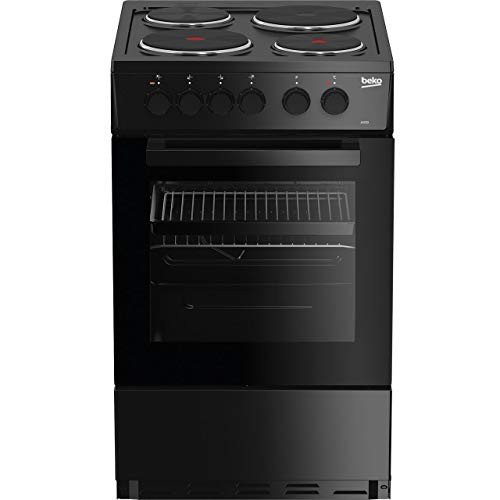
Yes, there are variety cookers that incorporate a hob and an oven within one home appliance, providing an extensive cooking solution.
5. How do I tidy my hob and oven?
A lot of hobs and ovens have actually suggested cleansing techniques depending upon their materials. It is advisable to consult the manufacturer’s instructions for the best practices.
Understanding the differences between hobs and ovens is crucial for anybody seeking to optimize their kitchen area or enhance their cooking skills. By knowing the different types, their benefits, and how to pick the ideal ones for your needs, cooking can become a more enjoyable and effective experience. Whether you are an experienced chef or a beginner cook, the best combination of hob and oven can elevate your cooking productions to brand-new heights.