

Dimensions Of 20ft Container
Add a reviewOverview
-
Posted Jobs 0
-
Viewed 13
Company Description
Container 20ft Tools To Ease Your Daily Life Container 20ft Trick Every Person Should Know
Understanding the Versatility of a 20ft Shipping Container
In the world of logistics and shipping, the 20ft container has actually ended up being a staple. This ubiquitous steel box plays an important role in the transport and storage of goods, making it a fascinating subject to check out. In this short article, we will dive deep into the dimensions, uses, benefits, and the function of 20ft shipping containers in various industries. In addition, we’ll deal with some often asked questions to offer a comprehensive understanding of this important element in international commerce.
Dimensions and Specifications
Standard Container Dimensions
| Spec | Measurement |
|---|---|
| Length | 20 feet (6.058 m) |
| Width | 8 feet (2.438 m) |
| Height | 8.5 feet (2.591 m) (Standard) |
| Empty Weight | Approximately 2,300 kg (5,071 pounds) |
| Maximum Payload | Roughly 28,800 kg (63,000 pounds) |
| Volume | Roughly 33.2 cubic meters (1,172 cubic feet) |
Types of 20ft Containers
While the standard 20ft container is created for basic usage, a number of variations cater to particular needs:
- Standard Dry Van: This is the most common type and appropriates for dry cargo.
- Reefers: Refrigerated containers that keep temperatures for perishable goods.
- Open-Top Containers: Ideal for large cargo that can not fit through basic Container 20Ft (Cogcontainersltd.Com) doors.
- Flat Rack Containers: Used for transferring heavy or bulky loads that are open to the components.
Uses of 20ft Shipping Containers
The applicability of 20ft containers is large, varying from maritime shipping to innovative uses in building and living areas. Here are some of the most significant applications:
1. Maritime Shipping
The primary function of 20ft containers is in the transportation of goods. Services around the world rely on these containers to move items safely and efficiently.
2. Storage Solutions
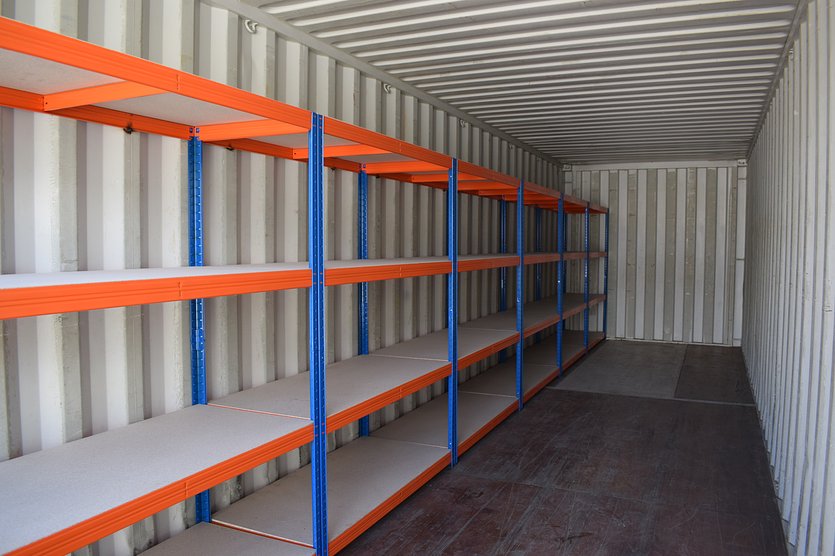
Numerous markets utilize 20ft containers as safe and secure storage units. This is specifically common in building and construction sites, storage facilities, and retail areas.
3. Mobile Offices
Organizations are repurposing shipping containers into workplace. These mobile systems are quickly portable and versatile to various environments.
4. Tiny Homes
The appeal of tiny living has led to ingenious designs using shipping containers. A 20ft container supplies a compact, sustainable home.
5. Pop-Up Shops and Kiosks
Business owners are utilizing containers to produce short-lived retail spaces, enabling them to reach new markets without long-term dedications.
6. Disaster Relief Shelters
Containers can be changed into momentary shelters for people impacted by natural disasters. Their resilience and mobility make them an exceptional choice for emergency situation circumstances.
Benefits of Using 20ft Shipping Containers
Shipping containers have several advantages that make them appealing to organizations and individuals alike.
Toughness
Built from high-strength steel, 20ft containers are designed to hold up against rough handling and harsh environmental conditions.
Cost-Effectiveness
Using shipping containers can decrease costs for transportation and storage. In addition, they need very little maintenance.
Versatility
Whether it’s for shipping, storage, or innovative tasks, 20ft containers can be modified to fit numerous needs, permitting customization.
Security
With lockable steel doors, shipping containers supply a high level of security for saved goods, decreasing theft and damage.
Eco-Friendly
Making use of recycled shipping containers for real estate or organization functions promotes sustainability and lowers waste.
Future Trends in 20ft Container Usage
As industries progress, so do the applications of 20ft containers. Emerging trends consist of:
- Modular Construction: The trend toward modular homes continues to rise, as shipping containers use a fast and flexible option for budget friendly housing.
- Smart Containers: The integration of IoT innovation for tracking and tracking loads in real time is ending up being more prevalent, improving logistics performance.
- Recycling Initiatives: With growing ecological awareness, more companies are using recycled containers in innovative ways to promote sustainability.
FAQs About 20ft Shipping Containers
Q1: How much does a 20ft shipping container cost?A: The expense of a 20ft shipping container varies considerably based on condition (new or used), place, and additional modifications. Usually, prices vary from ₤ 1,500 to ₤ 5,000.
Q2: Can I tailor a shipping container?A: Yes, shipping containers can be modified to include windows, doors, insulation, electrical systems, and more, depending upon the planned usage.
Q3: How can I transfer a 20ft container?A: Transporting a shipping container generally needs a flatbed truck or a specialized container transport vehicle. It’s recommended to consult a logistics company for support.
Q4: Are there any limitations on where I can place a shipping container?A: Yes, zoning laws and guidelines might limit the positioning of shipping containers on domestic or industrial properties. It’s necessary to inspect regional regulations before buying.
Q5: How long can I lease a shipping container?A: Shipping container leasings are flexible; you can normally lease for a couple of months to numerous years, depending on your needs and the rental business’s policies.
The 20ft shipping container serves more than just its initial purpose in logistics; it has actually ended up being a diverse solution for a range of applications. Its sturdiness, cost-effectiveness, and adaptability make it an asset in shipping, building and construction, and innovative projects alike. As markets continue to innovate, the role of the 20ft container is most likely to evolve even further, cementing its place as a vital component in the global supply chain and beyond. Whether for industrial use or individual projects, these steel boxes use endless possibilities.